1,3-BAC——Alicyclic diamine compounds used for epoxy resins and polyurethanes

Product Information

Chemical Name1,3-Cyclohexanedi(methylamine

Alias/Abbreviation/Short Name/Old Name: 1,3-BAC, HXDA, 1,3-Bis(aminoethyl)cyclohexane

Application fields: epoxy resin, polyurethane, polyamide


1,3-BAC is an important alicyclic diamine organic compound. At room temperature, it appears as a colorless, transparent, low-viscosity liquid with a distinct ammonia odor. It is corrosive, flammable when exposed to open flames, and has a pungent smell. Soluble in water, Ethanol, etherand various organic solvents.


Due to the characteristics of the product structure, 1,3-BAC having excellent yellowing resistance, low viscosity, rapid curing speed, and excellent chemical corrosion resistance, it is widely used in the formulation of epoxy resin curing agents, the synthesis of polyurethane isocyanates, and the preparation of specialty polyamides.Compared to other curing agent raw materials, this product features rapid curing speed, requires a lower addition amount, and exhibits outstanding resistance to yellowing. Its low solidification point ensures excellent curing performance even in low-temperature and humid environments.


With the decline in the cost of m-phenylenediamine raw materials and the increasing stringency of environmental regulations, 1,3-cyclohexanediamine is gradually emerging as an important alternative to traditional aromatic amines.


Physical Properties

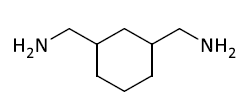
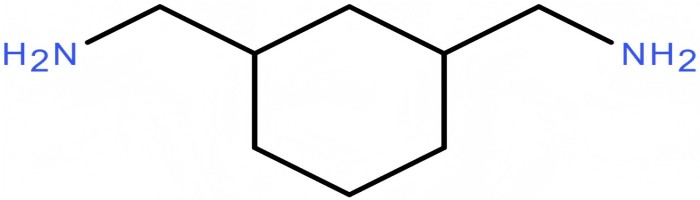
Structural formula:

IMG_256

Molecular weight: 142.2

Chemical formula: C8H18N2

CAS NO.: 2579-20-6

EINECS NO.r:219-941-5
Appearance
25): Colorless, transparent liquid
Color (APHA): 20 Max

Viscosity (mPa·s/20): 9.1

Densityg/cm³,25): 0.940~0.950

Purity (%): 99.0

Active Hydrogen Equivalent (g/eq): 35.5

Melting Point (): < -70

Boiling Point (): 220

Flash Point (): 113

Structural Features

The 1,3-cyclohexanediamine molecule contains two primary amine groups, which are chemically highly reactive and can undergo reactions with acids, epoxy groups, isocyanate groups, and other functional groups. Due to the presence of the cyclohexane ring, 1,3-cyclohexanediamine exists in two isomeric forms: cis and trans. Industrial products typically consist of a mixture of these two isomers. The trans isomer is thermodynamically more stable, favoring the formation of polymers with high crystallinity and excellent thermal resistance; whereas the cis isomer promotes the formation of an amorphous structure, enhancing the material's transparency. By adjusting the cis-trans ratio during the synthesis process, it is possible to tailor the final properties of the material.


13-BAC Features:

Cures quickly at room temperature;

Excellent weather resistance;

Low viscosity, easy to handle;

Clear and transparent, with a well-defined appearance of the cured material;

The cured material exhibits excellent mechanical properties.


Preparation method

At present, the industrial production of 1,3-cyclohexanedimethanamine is primarily achieved through the catalytic hydrogenation of m-xylylenediamine (MXDA). This process typically uses m-phenylenediamine as the feed stock and is carried out under high temperature and pressure conditions in the presence of a solvent (such as water or alcohols) and a supported noble-metal catalyst (e.g., ruthenium, palladium, or rhodium). The benzene ring is saturated to form a cyclohexane ring through hydrogenation. During the reaction, by carefully controlling the type of catalyst, reaction temperature, pressure, and reaction time, the ratio of cis and trans isomers in the product can be adjusted. After the reaction, the crude product is separated from the catalyst and then purified by distillation to yield high-purity 1,3-cyclohexanediamine..


Application fields

Epoxy resin curing agent

13-BAC is primarily used as an epoxy curing agent or for the preparation of modified epoxy curing agents. Compared to aromatic amine curing agents, it not only has lower viscosity and better handling properties but also yields cured products with outstanding resistance to ultraviolet light (anti-yellowing), as well as excellent weather resistance, temperature resistance, water resistance, and chemical resistance. Moreover, it cures rapidly and can be used for curing at either room temperature or low temperatures. It is widely applied in high-end outdoor floor coatings, stone adhesives, electronic potting compounds, composite materials (such as automotive parts and wind turbine blades), and in the fields of jewelry adhesives and crystal adhesives where appearance and color quality are of paramount importance.


Make an epoxy curing agent

Mixing ratio:
Epoxy resin YLE-128 (epoxy equivalent weight 190): 100
Hardener
1.3-BAC dosage: 1720

Initial formula (mass ratio)

Epoxy resin

YLE-128

EEW

100g

190

Hardener

1.3-BAC

Active hydrogen quivalent

19g

35.6

@23 , 50% curing performance
Touch-dry
Semi-dry
Completely dry
@5
, 80% curing performance
Touch-dry
Semi-dry
Completely dry


1.45h
4.5h
>24h

13.5h
>24h
>24h


Note:

1. The data listed above are typical values only and do not constitute the products technical specifications.

2、The information provided above describes only the products performance and does not constitute a guarantee of such performance. Since the formulation and process conditions of end products may vary, we recommend testing the product performance and applicability described above to confirm whether they can achieve your intended results.


As an epoxy curing agent, 1,3-BAC can be used in CFRP. Compared to traditional RTM processes, the high-cycle RTM process (such as HP-RTM) requires shorter cycle times for resin injection, curing, and demolding, and does not require post-curing.


1,3-BAC having a low viscosity ensures more thorough fiber impregnation and extends the working time. Compared to other amine-based curing agents, It can significantly shorten the curing time and eliminates the need for post-curing, thereby enhancing the efficiency of the RTM process. Meanwhile, the cured product exhibits a higher glass transition temperature (Tg). This makes it suitable for mass production of large CFRP components.


Polyurethane raw materials

13-Cyclohexyl dimethylamine is a key raw material for the synthesis of alicyclic isocyanatehexamethylene diisocyanate (H6XDI). H6XDI does not contain a benzene ring structure and boasts excellent light stability and hydrolysis resistance. It is an important raw material for preparing high-end polyurethane coatings, elastomers, and adhesives, and is particularly well-suited for applications with extremely high requirements for aging resistance, such as automotive paints and outdoor facilities..


Polyamide monomer

As a hydrogenated derivative monomer of MXD6 (m-xylylene diamine-adipic acid nylon), 1,3-cyclohexanediamine can be used to synthesize novel cycloaliphatic polyamides. These materials combine the excellent barrier properties and thermal stability of aromatic nylons with the hydrolysis resistance and flexibility of cycloaliphatic materials, making them promising candidates for applications in areas such as food packaging and automotive fuel lines..


Packaging & warehousing & transportation

Net weight: 190 kg per drum; packaged in iron drums.

During transportation, this product must not be mixed with acids or oxidizing agents. Store in a cool, dry environment, keeping it tightly sealed and protecting it from rain, direct sunlight, and high temperatures. Keep it away from oxidizing agents and acidic substances.


Precautions

1,3-Cyclohexadiamine is a toxic chemical. Acute toxicity studies indicate that the oral LD50 in rats is approximately 880 mg/kg, and the dermal LD50 is about 100 mg/kg. This substance is highly corrosive to the skin, eyes, and respiratory tract, and contact can cause severe burns. When handling this substance, wear protective clothing, chemical-resistant gloves, goggles, and a mask to avoid direct contact with skin and eyes. In case of contact, immediately wipe off the substance. And Rinse thoroughly with plenty of water and seek medical attention..If the eyes come into contact with it, first rinse thoroughly with plenty of water, then seek medical attention immediately.


For information on the safe use of this product, please refer to the Material Safety Data Sheet (MSDS).

1,3-BAC (HXDA) A High-Performance Cycloaliphatic Diamine for Advanced Epoxy Resin Applications

Product: 1,3-Cyclohexanebis(methylamine)
CAS No.: 2579-20-6
Code: 1,3-BAC / HXDA


1. Product Information

Item

Information

Product Name

1,3-Cyclohexanebis(methylamine)

CAS No.

2579-20-6

Formula

C8H18N2

Molecular Weight

142.24 g/mol

Category

Alicyclic Diamine Compound


2. Product Description

1,3-BAC is an important alicyclic diamine compound containing two primary amino groups. It provides excellent reactivity, low viscosity and good processing performance. Due to its non-aromatic molecular structure, it improves weather resistance, anti-yellowing performance and long-term stability of polymer materials.


3. Key Advantages

· Low viscosity and excellent processability

· Fast curing performance

· Excellent anti-yellowing and weather resistance

· Good chemical resistance and durability

· Suitable for high-performance polymer applications


4. Technical Data

Item

Information

Appearance

Colorless transparent liquid

Purity

≥99.0%

Viscosity

9.1 mPa·s at 20℃

Density

0.940-0.950 g/cm³ at 25℃

Freezing Point

< -70℃

Boiling Point

Approx. 220℃

Flash Point

Approx. 113℃


5. Applications

Epoxy Resin Curing Agent: coatings, adhesives, electronic encapsulation and composite materials.
Polyurethane Industry: raw material for alicyclic isocyanates and advanced polyurethane systems.
Specialty Polymers: used in development of high-performance cycloaliphatic polymers.


6. Packaging, Storage & Safety

Packaging: 190kg iron drum.
Storage: Keep sealed in a cool and dry place. Avoid heat, sunlight, acids and oxidizing agents.
Safety: Corrosive chemical. Use appropriate protective equipment and refer to MSDS.

1,3-BDX A High-Performance Modified Amine Epoxy Curing Agent for Industrial Coatings and Adhesive Applications

Product Code: 1,3-BDX

CAS No.: 135470-04-1

Product Category: Epoxy Curing Agent


1. Product Information

Item

Information

Chemical Name

1,3-Benzenedimethanamine Reaction Products with Epichlorohydrin

Product Code

1,3-BDX

CAS No.

135470-04-1

Category

Modified amine epoxy curing agent

Main Applications

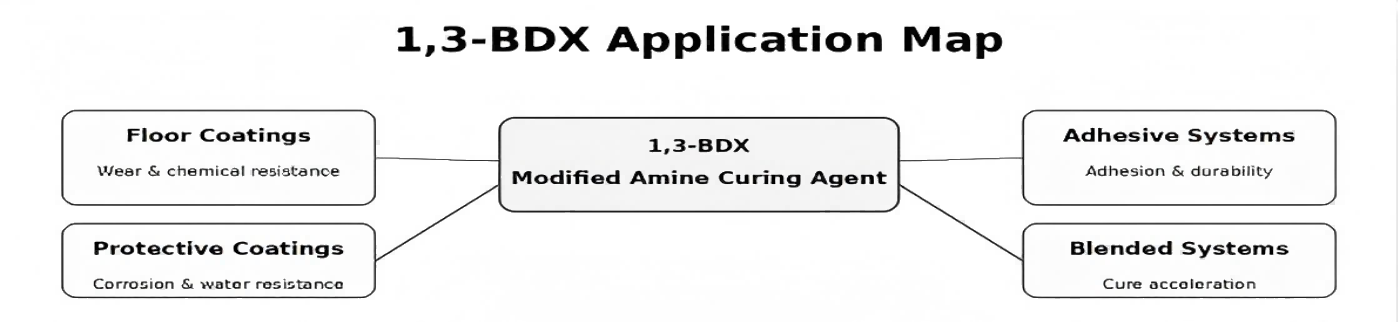
Epoxy coatings, floor coatings, industrial protective coatings, adhesives


2. Product Description

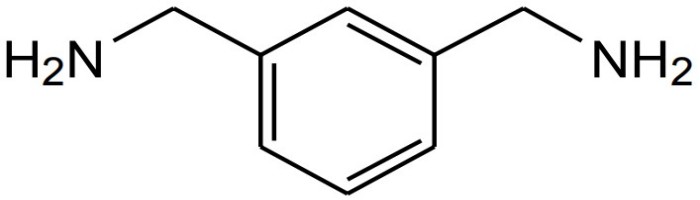
1,3-BDX is a modified amine epoxy curing agent derived from MXDA. It is designed for epoxy curing systems that require good color stability, moderate viscosity, fast curing performance, wet surface adhesion and excellent chemical resistance.

In epoxy resin systems, 1,3-BDX can be used directly as a curing agent or combined with other amine curing agents to improve processability, adjust curing speed and enhance corrosion resistance and water resistance of cured products. It is suitable for floor coatings, industrial protective coatings and adhesive systems requiring adhesion and durability.


3. Structure Features and Key Advantages

3.1 Structure and Reactivity

1,3-BDX is based on an MXDA-derived modified amine system. It retains amine reactivity toward epoxy resin while improving compatibility and application stability. Compared with conventional low-molecular amine curing agents, it offers a balanced profile of processability, wet surface adhesion, later-stage curing speed and resistance properties.

3.2 Key Advantages

· Good color stability for appearance-sensitive coatings and adhesives.

· Moderate viscosity for easier mixing with epoxy resin and formulation adjustment.

· Fast curing performance to improve application efficiency and shorten curing time.

· Good wet surface adhesion for demanding application conditions.

· Excellent corrosion and water resistance for long-term durability.

· Flexible formulation use: suitable for direct use or blending with other curing agents as an accelerator or performance modifier.


4. Technical Data

Item

Typical Value

Appearance

Clear liquid

Color, Gardner

≤5

Viscosity, cps @25°C

7000-14000

Total Amine, mg KOH/g

650-680

MXDA Content, %

24-30

Note: The above values are typical data for product identification and formulation reference only. They should not be considered as a performance guarantee. End users should conduct their own tests based on specific resin systems, formulations and application conditions.


5. Applications

5.1 Epoxy Floor Coatings

1,3-BDX can be used in epoxy floor coating systems to support processability, curing speed, wear resistance, water resistance and chemical resistance.

5.2 Industrial Protective Coatings

It is suitable for industrial equipment, concrete substrates and metal protection, helping improve adhesion, corrosion resistance and long-term durability.

5.3 Adhesive Systems

It can be used in industrial adhesive or structural adhesive systems requiring adhesion, water resistance and chemical resistance.

5.4 Blended Curing Systems

1,3-BDX can be blended with other amine curing agents as a curing accelerator or performance modifier to balance pot life, curing speed and final properties.


6. Packaging, Storage and Safety

Item

Information

Packaging

Drums; IBC tanks

Storage Temperature

5-30°C

Storage Conditions

Keep sealed in a cool and dry place. Avoid direct sunlight.

Avoid Contact

Strong oxidants and acids

Storage Life

12 months from the date of manufacture in the original packing under ambient temperatures

Safety

Refer to MSDS for detailed handling, transportation and safety information


7. Sales Keywords

1,3-BDX supplier; epoxy curing agent supplier; MXDA modified curing agent; floor coating hardener; industrial coating curing agent; epoxy adhesive hardener

Application of 1,3-Cyclohexanedimethanamine (1,3-BAC) in Jewelry Adhesives

Epoxy resin for jewelry generally refers to highly transparent epoxy resin materials used for decorative purposes.


It is widely used in a variety of items, including personal accessories such as earrings, hair clips, necklaces, bracelets, hat badges, brooches, apparel, key rings, buttons, shoe ornaments, belt buckles, and bag charms. It is also applied in daily necessities like door and cabinet handles, hardware fittings, as well as picture frames, signage, and other decorative items.


Epoxy resins for jewelry are typically categorized into flexible resin, rigid resin, doming resin, and casting/polishing resin. The main components usually include epoxy resin, amine curing agents, and various additives. These resins are characterized by high transparency, flexibility or high hardness, and excellent yellowing resistance.


1,3-BAC (1,3-Cyclohexanedimethanamine) is an aliphatic amine and serves as a key raw material for epoxy curing agents, widely used around the world. When used as a raw material for jewelry epoxy curing agents, 1,3-BAC offers typical advantages such as low viscosity, high hardness, high transparency, yellowing resistance, and fast curing speed. This endows the epoxy jewelry resin with a more ideal appearance and outstanding performance.


Typical Physical and Chemical Data of 1,3-BAC:

Product Name: 1,3-Cyclohexanedimethanamine

Appearance: Colorless transparent liquid

Color (APHA): 20 Max

Viscosity (cps/20): 9.1

Density: 0.940 - 0.950

Freezing Point (): < -70

Active Hydrogen Equivalent: 35.6


Features:

Fast curing speed at room temperature

Excellent weather resistance

Low viscosity and easy handling

Crystal clear with excellent appearance of cured products

Cured products possess excellent mechanical properties

Common Amine Curing Agents and Application Conditions

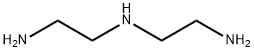
DETA (Diethylenetriamine)


Appearance: Colorless to pale yellow transparent liquid
Chemical formula: C₄H₁₃N₃
Molecular weight: 103.166
CAS No.: 111-40-0
Melting point: -40 °C
Boiling point: 206 °C
Density: 0.96 g/cm³
Amine value (mg KOH/g): 1300–1400
Viscosity (25 °C) mPa·s: 5–20
Mixing ratio:

YLE-128 (E-51) epoxy resin : DETA (Diethylenetriamine) = 100 g : 10–11 g (by weight)

YLE-220 (E-44) epoxy resin : DETA (Diethylenetriamine) = 100 g : 10 g (by weight)
Curing conditions: 25 °C / 3–6 hours or 60 °C / 1–2 hours


TETA (Triethylenetetramine)


Appearance: Colorless to slightly yellow viscous liquid
Chemical formula: C₆H₁₈N₄
Molecular weight: 146.234
CAS No.: 112-24-3
Melting point: 12 °C
Boiling point: 266–267 °C
Density: 0.982 g/cm³
Flash point: 135 °C (CC)
Amine value (mg KOH/g): 1100–1200
Viscosity (25 °C) mPa·s: 5–30
Mixing ratio:

YLE-128 (E-51) epoxy resin : TETA (triethylenetetramine) = 100 g : 13–14 g (by weight)

YLE-220 (E-44) epoxy resin : TETA (triethylenetetramine) = 100 g : 11–13 g (by weight)
Curing conditions: 25 °C / 3–6 hours or 60 °C / 1–2 hours


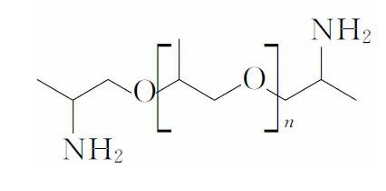
Polyether amine curing agent

Chemical name: Polyether amine; Polyether polyamine; Polyetheramine (PEA);
Aliases: Polypropylene glycol bis(2-aminopropyl ether); 2-(Aminooxy)propan-1-amine
CAS No.: 9046-10-0


Polyether amine curing agent D-230

Mixing ratio: YLE-128 (E-51) epoxy resin : D-230 = 100 g : 30 g
Curing conditions: 25 °C / 36 hours or 60 °C / 3 hours or 80 °C / 1 hour
Cured product characteristics: Colorless and transparent, high hardness, high toughness, not easily brittle. Suitable for handicrafts, nameplates, and potting applications with special requirements.


Polyether amine curing agent D-400

Mixing ratio: YLE-128 (E-51) epoxy resin : D-400 = 100 g : 50 g
Characteristics: Good toughness after curing, low viscosity, high mechanical performance of the cured product, and resistance to high-low temperature thermal shock (-35 °C to 120 °C).


Polyether amine curing agent D-2000

Mixing ratio: YLE-128 (E-51) epoxy resin : D-2000 = 40 g : 100 g
Curing conditions: 80 °C / 6–10 hours
Characteristics: D-2000 is colorless and transparent. The cured product exhibits excellent elasticity, high peel strength, colorless transparency, high toughness, not easily brittle, and strong adhesion. Suitable for potting applications with special requirements, and resistance to high-low temperature thermal shock (-40 °C to 130 °C). When combined with liquid epoxy resin, D-2000 is used for colorless and transparent applications in composites, wind power, handicrafts, and nameplates.

TYPE

D-230

D-400

T403

D-2000

D-5000

Appearance

Colorless transparent liquid

Colorless transparent liquid

Colorless transparent liquid

Colorless transparent liquid

Colorless transparent liquid

Viscosity (MPa·s / 25℃)

3~10

10~50

500~200

260~280

300~600

Density (25℃, g/cm³)

0.92~0.98

0.92~0.98

0.92~0.98

0.92~0.98

0.92~0.98

Active Hydrogen Equivalent

58

100

85

500

1250

Film Drying Time (25℃)

36 hours

72 hours

24 hours

100 hours

500 hours

Recommended Mixing Ratio (with E51)

10g : 3g

10g : 5g

10g : 4.5g

10g : 25g

10g : 65g

Pot Life (Min / 25℃)

≥3 hours

≥6 hours

≥4 hours

≥24 hours

≥48 hours

Curing Conditions

80°C / 6~10 hrs

80°C / 6~10 hrs

80°C / 6~10 hrs

80°C / 6~10 hrs

80°C / 6~10 hrs

Cured Hardness (Shore)

90D

65D

85D

D20

--


1,3-BAC (1,3-Bis(aminomethyl)cyclohexane) 

CAS No.: 2579-20-6

13-BAC is primarily used as an epoxy curing agent or for the preparation of modified epoxy curing agents. Compared to aromatic amine curing agents, it not only has lower viscosity and better handling properties but also yields cured products with outstanding resistance to ultraviolet light (anti-yellowing), as well as excellent weather resistance, temperature resistance, water resistance, and chemical resistance. Moreover, it cures rapidly and can be used for curing at either room temperature or low temperatures. It is widely applied in high-end outdoor floor coatings, stone adhesives, electronic potting compounds, composite materials (such as automotive parts and wind turbine blades), and in the fields of jewelry adhesives and crystal adhesives where appearance and color quality are of paramount importance.
Mixing ratio: YLE-128 (E-51) epoxy resin : 1,3-BAC = 100 g : 18–20 g
Curing conditions: 25 °C / 6–12 hours


MXDA (m-Xylylenediamine) 

CAS No.: 1477-55-0
Characteristics: m-Xylylenediamine is a high-performance and widely used epoxy resin curing agent, and also an important fine chemical intermediate. It can be used in the synthesis of polyurethanes, a range of epoxy resins, rubber additives, photosensitive plastics, pesticides, fiber finishing agents, rust inhibitors, chelating agents, lubricants, paper processing agents, and electronic chemicals. In nylon products such as MXD6 (a polycondensate of MXDA and adipic acid), and in the synthesis of functional epoxy resins, MXDA is widely utilized due to its unique structure, which imparts various excellent physical and chemical properties.
Mixing ratio: YLE-128 (E-51) epoxy resin : MXDA = 100 g : 18–20 g
Curing conditions: 50–60 °C / 3 hours + 120–150 °C / 2 hours


DETDA (Diethyltoluenediamine) 

CAS No.: 68479-98-1
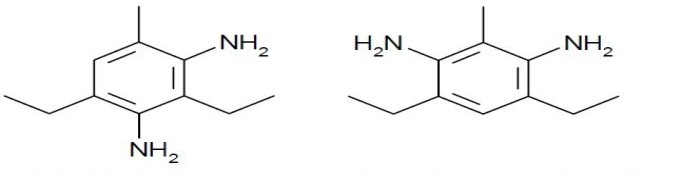
Characteristics: DETDA is equivalent to Ethancure 100 and Lonza DETDA 80. It is a highly effective chain extender for polyurethane elastomers, and can also be used as a curing agent for polyurethanes and epoxy resins, as an antioxidant for epoxy resins, and in industrial oils and lubricants. Additionally, it serves as an intermediate for organic synthesis.
Mixing ratio: YLE-128 (E-51) epoxy resin : DETDA = 100 g : 25 g
Curing conditions: 100 °C / 4 hours + 150 °C / 1 hour


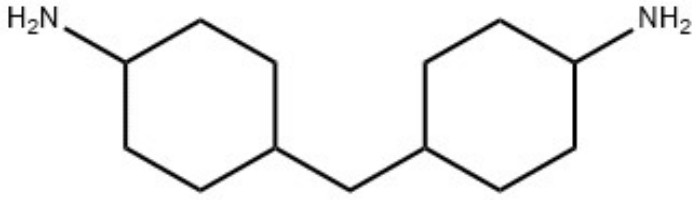
PACM: 4,4'-Diaminodicyclohexylmethane

CAS No.: 1761-71-3
PACM curing agent (hydrogenated MDA) has performance equivalent to Air Products' Amicure PACM and BASF's DC (i.e., Baxxodur EC330). It is used as an epoxy resin curing agent and as a curing agent for epoxy composite materials. It is also applied as a chain extender and additive in polyaspartic esters, polyamides (PA), polyurethanes (PU), and polyurea spray elastomers (SPUA). Application fields include high-grade composites, filament winding, lamination, casting, RIM, pultrusion, etc.
Mixing ratio: YLE-128 (E-51) epoxy resin : PACM = 100 g : 25–30 g
Curing conditions: 25 °C / 24 hours or 60 °C / 3 hours


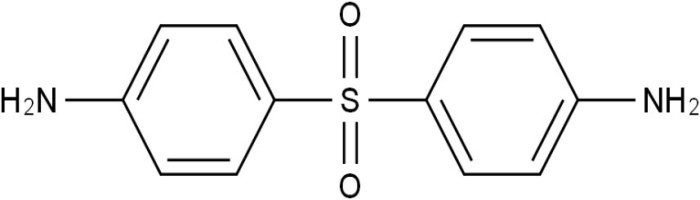
DDS: 4,4'-Diaminodiphenyl sulfone

CAS No.: 80-08-0
4,4'-Diaminodiphenyl sulfone is an epoxy resin curing agent with excellent high-temperature resistance. It is used in high-temperature-resistant prepregs, high-temperature-resistant molded products (automotive molds, rail transit, aerospace, etc.), and high-temperature-resistant laminates.
Mixing ratio: YLE-128 (E-51) epoxy resin : DDS = 100 g : 25–35 g
Curing conditions: 130 °C / 2 h + 200 °C / 2 h


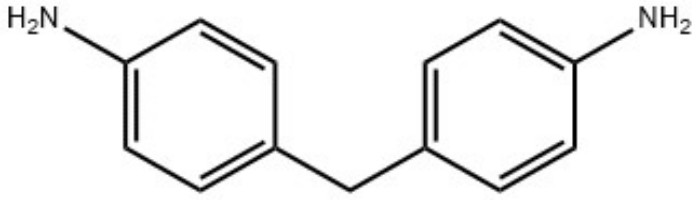
DDM: 4,4'-Diaminodiphenylmethane

CAS No.: 101-77-9
Liquid DDM product is a mixture containing approximately 60% 4,4'-diaminodiphenylmethane and 40% polyphenyl polymethylene polyamine, appearing as a light yellow viscous liquid at room temperature. DDM is an important chemical intermediate. In addition to being primarily used in the production of MDI and HMDI, it is also extensively used in the preparation of polyimide (PI) insulating varnishes, polyesterimide (PEI) insulating varnishes, bismaleimide resins, and other electrical insulation materials. It can also be used as a curing agent for epoxy resins and as a chain extender for polyurethane elastomers.
Mixing ratio: YLE-128 (E-51) epoxy resin : liquid DDM = 100 g : 30–35 g (flexible)
Curing conditions: 80 °C / 3–4 hours

DACH – An Important Alicyclic Diamine Compound

1,2-Diaminocyclohexane (1,2-DACH), with the chemical formula C₆H₁₄N₂, is an important alicyclic diamine compound. At ambient temperature, it appears as a colorless to pale yellow transparent liquid with an ammonia-like odor. As the hydrogenation product of o-phenylenediamine, it exists in two geometric isomeric forms, cis and trans. Owing to the chair conformation of the cyclohexane ring, the trans isomer further comprises a pair of enantiomers. 1,2-Diaminocyclohexane exhibits excellent chemical stability and reactivity, and is widely used in epoxy resin curing agents, pharmaceutical intermediates (e.g., in the synthesis of oxaliplatin), agrochemicals, dyes, and the preparation of high-performance polymers. With the advancement of the domestic production of adiponitrile, the supply of 1,2-diaminocyclohexane as a by-product has become increasingly abundant, further broadening its application prospects.


General Information

Item

Details

Chemical name

1,2-Diaminocyclohexane

CAS No.

694-83-7

Synonyms

1,2-Diaminocyclohexane, 1,2-DACH

Applications

Chemical industry, pharmaceuticals, agrochemicals


Physical Properties

At ambient temperature, 1,2-diaminocyclohexane is a clear, colorless to pale yellow transparent liquid with a faint ammonia-like odor. Its relative density is approximately 0.931 g/cm³, with a melting point range of 41–45 °C, a boiling point of 188–192 °C, and a flash point of 76 °C. The compound is sensitive to air; prolonged exposure may lead to oxidation and yellowing of the product. It is readily soluble in water and also soluble in organic solvents such as ethanol.


Chemical Properties

The molecule of 1,2-diaminocyclohexane contains two primary amino groups, conferring typical aliphatic amine chemical properties, including basicity and nucleophilicity. Due to the adjacent positioning of the two amino groups (at the 1,2-positions), it exhibits unique coordination capability, forming stable chelates with various metal ions. The compound displays stereoisomerism, existing predominantly in cis and trans configurations. In the cis isomer, the two amino groups are oriented on the same side of the cyclohexane ring plane; in the trans isomer, they are on opposite sides. The trans-1,2-diaminocyclohexane, being chiral, exists as a pair of enantiomers, (1R,2R) and (1S,2S), among which (1R,2R)-(-)-1,2-DACH is of significant value in pharmaceutical synthesis.


Preparation Methods

  • Hydrogenation of o-Phenylenediamine

The industrial production of 1,2-diaminocyclohexane is primarily achieved via the catalytic hydrogenation of o-phenylenediamine. The reaction is typically carried out in an autoclave or a trickle-bed reactor using metal catalysts such as ruthenium (Ru) or nickel (Ni). During the process, the benzene ring of o-phenylenediamine is saturated to yield 1,2-diaminocyclohexane. The ratio of cis to trans isomers in the product can be controlled by adjusting reaction conditions, including temperature, pressure, and catalyst type.


  • Co-production Process

In the hydrogenation of adiponitrile to produce hexamethylenediamine, certain amounts of specialty amines such as 1,2-diaminocyclohexane and cyclohexylimine are generated as by-products. With the commissioning of domestic adiponitrile production facilities, this co-production route has become an important source of 1,2-diaminocyclohexane, contributing to cost reduction and improved resource utilization.


Applications

  • Epoxy Resin Curing

1,2-Diaminocyclohexane is a novel and highly efficient curing agent for epoxy resins. It features low dosage requirements, cost-effectiveness, and rapid curing speed. Epoxy resins cured with 1,2-diaminocyclohexane exhibit excellent chemical resistance, heat resistance, and mechanical properties, and are widely used in wind power structural adhesives, electronic encapsulation materials, and high-performance coatings.


  • Pharmaceutical Synthesis

In the pharmaceutical field, 1,2-diaminocyclohexane serves as a key intermediate in the synthesis of various drugs. In particular, (1R,2R)-(-)-1,2-diaminocyclohexane is a critical ligand precursor for the anticancer drug oxaliplatin. Additionally, it is employed in the synthesis of other biologically active heterocyclic compounds.


  • Other Applications

1,2-Diaminocyclohexane is also utilized in the synthesis of various agrochemicals and dyes. In the agrochemical sector, it serves as an intermediate in the synthesis of carbamate herbicides and other heterocyclic fungicides. In the dye industry, it is used in the preparation of specific azo dyes and functional auxiliaries. As a monomer or chain extender, 1,2-diaminocyclohexane can also be used in the preparation of high-performance polymers such as polyamides and polyurethanes, with its alicyclic structure imparting excellent weatherability and anti-yellowing properties to the resulting polymers.

Epoxy Resin Modifier Styrenated Phenol MSP-250

Nonylphenol has long been used in epoxy resin systems as a functional aid to promote dilution. However, in recent years, with increasing health awareness and stricter environmental regulations, the use of nonylphenol has become increasingly restricted.

Nanjing Youlai's Styrenated Phenol MSP-250 serves as an epoxy resin modifier. In addition to its ideal chemical properties, it meets the demands of environmental regulations.


Typical Data

  • Product Name: Styrenated Phenol
  • Grade: MSP-250
  • Appearance: Liquid
  • Color (APHA): <200
  • Viscosity (cps/25°C): 300~800
  • Hydroxyl Value (mg KOH/g): 230~260


Performance Features

As an epoxy resin modifier, MSP-250 is a clear, low-viscosity liquid. When added to the curing agent component, it accelerates the curing speed and improves the water resistance, anti-whitening properties, scratch resistance, abrasion resistance, hardness, and leveling performance of the cured product.

MSP-250 exhibits color stability under both long-term and high-temperature conditions. Comparison of color performance between MSP-250 and Nonylphenol when mixed with curing agents:


Within 1 week at room temperature: No significant difference observed.

Within 3 days at 60°C: MSP-250 demonstrates superior color stability compared to Nonylphenol.

Within 1 week at 60°C: MSP-250 demonstrates superior color stability compared to Nonylphenol.


Application Area

  • Epoxy Coatings & Heavy-duty Anti-corrosion Coatings: Acts as a plasticizer, diluent, and accelerator.
  • Craft & Jewelry Adhesives: Offers excellent transparency, abrasion resistance, and adhesion.
  • Electronics & Electrical: Suitable for potting, varnishes, industrial adhesives, and LED encapsulation.
  • Automotive Sealants: Improves bonding for doors and headliners, providing waterproofing and rust prevention for internal and external panels.

Civil Engineering & Construction: Applicable for crack sealing, crack injection, carbon fiber reinforcement, and steel reinforcement.

High-Temperature Resistant Tetrafunctional Liquid Epoxy Resin YLSE-721

Why is YLSE-721 our star product? What makes it so “hardcore”?


YLSE-721 is a high-performance, amino-based tetrafunctional liquid epoxy resin — an “industrial-grade bonding master” designed specifically for high-strength and high heat-resistant applications.

Its name reveals the secret: “tetrafunctional” means each molecule contains four reactive sites, like a “multi-armed warrior” that can form a denser and stronger cross-linked network with curing agents. This is the key reason why its strength far exceeds that of ordinary difunctional epoxy resins. Meanwhile, its liquid form provides excellent flowability, making it ideal for potting, coating, or filling complex structures, ensuring easy and efficient application.

What truly impresses users are its “three highs”: high temperature resistance, fast curing, and superior mechanical strength.

  • Heat resistance: Continuous service temperature up to 150°C, and short-term endurance above 180°C, far outperforming standard epoxies (typically ≤120°C). Perfect for engine surroundings, motor coils, and PCB protection under high-temperature conditions. 🔧

  • Curing speed: Fully cures within 30–60 minutes at 60–80°C, which is 2–3 times faster than conventional epoxy systems — a real time-saver for urgent projects.

  • Mechanical properties: Tensile strength exceeds 50 MPa, flexural strength surpasses 80 MPa, with excellent impact resistance and dimensional stability. It resists cracking even under severe vibration or thermal cycling.

In addition, YLSE-721 offers outstanding electrical insulation, oil resistance, water resistance, and chemical durability — truly earning its reputation as the “Iron Man of the industrial world.”


Product Information

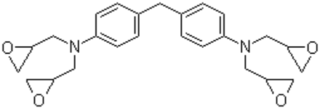
Chemical Name: N,N,N',N'-Tetraglycidyl-4,4'-diaminodiphenylmethane

CAS No.: 28768-32-3

Structural Formula


Main Applications

  • High-temperature resistant composites such as carbon fiber and glass fiber;

  • Potting of electronic components (e.g. power modules, LED drivers);

  • Impregnation and insulation protection for motors and transformer coils;

  • Precision mold manufacturing, including bonding of metals, ceramics, and composites;

  • Bonding and sealing of aerospace structural components;

  • Wear-resistant repair and anti-corrosion coatings for heavy-duty mechanical parts.


Usage Instructions

YLSE-721 can be formulated with amine-type, anhydride-type, or imidazole-type curing agents and coupling agents to prepare adhesives, casting compounds, or composite systems for applications requiring excellent heat resistance.
Common curing agents include 4,4'-diaminodiphenyl sulfone (4,4'-DDS), 4,4'-diaminodiphenylmethane (DDM), methyl tetrahydrophthalic anhydride (METHPA), methyl nadic anhydride (MNA), and 2-ethyl-4-methylimidazole (2,4EMI).

If the resin appears too viscous during use, it can be heated to an appropriate temperature to reduce viscosity before mixing.
To improve toughness, additives such as liquid polysulfide rubber or liquid nitrile rubber can be incorporated.


Typical Cured Properties

DDS DDM METHPA MNA Test Method
Glass Transition Temperature (°C) 250-260 220-230 200-210 235-240
Tensile Strength (MPa) 75 50 50 45
Tensile Modulus (GPa) 3.5 3.3 3.2 3.6
Flexural Strength (MPa) 130 120 100 97
Flexural Modulus (GPa) 3.3 3.4 4.0 3.8
Elongation at Break (%) 2.8 1.6 1.9 1.1
Impact Strength (kJ/m²) 15 10 9 8
Resin-to-Hardener Ratio (by weight) 100:52 100:42 100:42 100:150
Curing Schedule 100℃*2h+130℃*2h+160℃*2h+180℃*2h+200℃*2h


Common Mistakes to Avoid

❌ Incorrect curing agent combination: YLSE-721 must be used with specific anhydride or aromatic amine curing agents. Using general-purpose epoxy hardeners may result in incomplete curing, soft texture, or drastically reduced heat resistance ⚠️.
❌ Neglecting surface preparation: The substrate must be thoroughly cleaned, dried, and sanded; otherwise, adhesion failure or “false bonding” may occur.
❌ Overheating during curing: Although the resin has high thermal resistance, curing should be kept within the recommended temperature range (usually 60–120°C). Excessive temperature may cause bubbling or discoloration.


Precautions

Due to its high functionality and epoxy value, YLSE-721 releases a large amount of heat during curing, so precautions should be taken to prevent runaway polymerization.
If the viscosity is too high for convenient use, preheat the resin to 100–120°C for about one hour to lower viscosity.
⚠️ When heating, keep the container lid open to prevent polymerization explosion.
This epoxy resin is alkali-resistant but not resistant to strong acids.

High-Temperature-Resistant Trifunctional Liquid Epoxy Resin YLSE-0500 / YLSE-0510

Product Description

YLSE-0500 / YLSE-0510 is a high-temperature-resistant trifunctional epoxy resin based on p-aminophenol. The molecular structure contains multiple epoxy groups and aromatic rings, enabling the cured system to form a high crosslink density and aromatic density during curing. As a result, the cured material exhibits excellent heat resistance, high mechanical strength, low curing shrinkage, and good resistance to radiation, water, and chemicals.


In addition, its low viscosity makes it easy to process and suitable for solvent-free operations. It is used in electrical insulation castings requiring high thermal resistance, as well as composite manufacturing processes such as carbon fiber and glass fiber filament winding, pultrusion, lamination, and prepreg production. The glass transition temperature (Tg) can exceed 200 °C.


Product Name

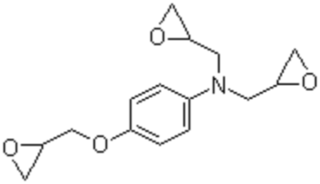
4-(2,3-Epoxypropoxy)-N,N-di(2,3-epoxypropyl)aniline

CAS No.: 5026-74-4


Structural Formula


Technical Specifications


YLSE-0500

YLSE-0510

Appearance

Brown liquid

Yellow liquid

EEW, g/eq

100-115

93-106

Viscosity, cps@25°C

1500-6000

500-1000

Volatiles, %

Max. 1.5

Max.1.0


Main Applications

  1. High-temperature structural adhesives

  2. Carbon fiber and glass fiber composites for pultrusion and filament winding

  3. Electrical insulation materials

  4. High-temperature epoxy casting systems used in vacuum casting (RTM, VARTM) and Automatic Pressure Gelation (APG)

  5. Potting and sealing of miniature motor components

  6. High-temperature epoxy diluent


Properties of Neat Resin Castings

Comparison of Casting Performance between YLSE-0500 and YLSE-0510

Using DDS (4,4'-diaminodiphenyl sulfone) as the curing agent, selected performance properties of castings made from YLSE-0500 and YLSE-0510 epoxy resins were tested.

Casting preparation procedure:
• Heat DDS to 200 °C (melting point 176 °C) until melted.
• Preheat the epoxy resin to 100 °C.
• Slowly add DDS into the epoxy resin while stirring until uniform.
• Defoam under vacuum for 15 minutes.
• Pour into molds and heat-cure.


The performance indicators of the resulting castings are shown in the table below:

Brand type

YLSE-0500

YLSE-0510

Curing agent name

DDS

Curing agent addition amount phr

49

Curing condition

0.5h/80°C+1h/100°C+1.5h/120°C+2h/180°C

Tg(DMA method) °C

245-250

260-270

Bending performance at 25°C

Strength Mpa

132

136

Modulus  Gpa

3.5

3.4

Tensile properties at 25°C

Strength Mpa

64

70

Modulus  Gpa

3.8

3.6

Elongation at break  %

2.3

2.8


Casting Properties of YLSE-0500 with Methyl Tetrahydrophthalic Anhydride (MTHPA)

YLSE-0500 epoxy resin is commonly used together with aromatic amine curing agents (such as diaminodiphenyl sulfone and diaminodiphenylmethane) and anhydride curing agents (such as methyl nadic anhydride, methyl tetrahydrophthalic anhydride, and methyl hexahydrophthalic anhydride).


The casting properties of YLSE-0500 cured with methyl tetrahydrophthalic anhydride (MTHPA) at 25 °C are shown in the table below:

Tensile strength Mpa

Bending strength Mpa

Impact strength Kj/m2

Elongation at break  %

Tg(DSC) 

20-30

90-100

8-10

1.5-2.5

190-200

Mixing ratio(Phr): YLSE-0500/MTHPA=100/150

Curing conditions: 80℃/2h+100℃/2h+130℃/2h+180℃/3h


Precautions

Due to its high functionality and high epoxy value, the curing process generates a large amount of heat, so attention must be paid to preventing runaway polymerization. If the viscosity becomes too high and causes difficulty in use, the resin may be heated to 100–120 °C for 1 hour to reduce the viscosity. During heating, please open the container lid to prevent any risk of runaway polymerization.


Equivalent Grades

Similar domestic and international product grades include MY-0500, MY-0510, AFG-90, AFG-90H, etc.

HTDA (Methylcyclohexanediamine) A High-Performance Epoxy Curing Agent for Advanced Applications

Core Overview

Methylcyclohexanediamine (abbreviated as HTDA or MCHDA) is a high-performance alicyclic diamine epoxy resin curing agent. With its unique molecular structure (cyclohexane backbone + methyl group), it achieves an excellent balance between high rigidity and toughness, and is regarded as a strategic material choice for breaking through the performance limitations of epoxy resin systems and developing high-end competitive products.


Core Performance Advantages

1. High Rigidity & High Heat Resistance

• Reason: Its molecular core is a rigid cyclohexane backbone.

• Result: It provides the cured product with excellent thermal stability, high glass transition temperature (Tg), creep resistance and dimensional stability, making it suitable for high-temperature and heavy-load environments.

2. Excellent Toughness

• Reason: The methyl group in the molecule introduces steric hindrance and optimizes the flexibility of molecular chain segments.

• Result: It effectively overcomes the brittleness of traditional alicyclic amines such as IPDA and significantly improves impact resistance.

3. Excellent Weather Resistance

• Reason: The molecular structure contains no benzene ring and is a saturated alicyclic structure.

• Result: It fundamentally avoids oxidative yellowing under ultraviolet irradiation. The cured product does not yellow under UV exposure and maintains stable color at high temperature, making it especially suitable for outdoor coatings, topcoats and other applications with strict appearance requirements.

4. Process Friendliness

• Low viscosity: It has good wetting performance in epoxy resin systems, which is beneficial for mixing, defoaming and filling complex shapes.

• Low volatility and environmental safety: As a larger-molecule curing agent, HTDA has low vapor pressure and low volatility, with less odor in the production environment and significantly reduced health hazards to operators, meeting modern environmental standards.


Physicochemical Properties

Property

Typical Value

Appearance

Colorless to pale yellow transparent liquid

Color (Hazen)

≤40

Odor

Slight ammonia odor

Viscosity

5-15 mPa·s/25°C

Water Content (ppm)

≤1000

Amine Value

820-880 mg KOH/g

Density

≈0.94 g/mm3

Freezing Point

-92°C

Boiling Point

≈208°C

Active Hydrogen Equivalent (AHEW)

≈32 g/eq

Molecular Formula

C₇H₁₆N₂

Molecular Weight

128.22

Isomers

Exists as multiple isomers such as cis and trans; differences in spatial structure affect reactivity and application performance.

Miscibility

Good miscibility with organic solvents such as alcohols and ethers.

Safety

The product has certain toxicity. Professional protective equipment is required during operation, and safety procedures should be strictly followed.


Storage Notes

Store in a cool and ventilated warehouse. The storage temperature should not exceed 40°C. It should be stored separately from oxidants and edible chemicals, and mixed storage is strictly prohibited. Suitable container materials include glass and high-density polyethylene. Keep the container tightly closed. Keep away from fire and heat sources. The warehouse must be equipped with lightning protection devices. The exhaust system should be equipped with grounding devices for static electricity discharge. Explosion-proof lighting and ventilation should be used. Equipment and tools that may generate sparks are prohibited. The storage area should be equipped with leakage emergency treatment equipment and suitable containment materials.


Main Application Fields

Application Field

Core Application Scenario

Key Performance Support

High-performance composites

Wind turbine blades, aerospace components, high-end sports equipment (bicycle frames, rackets)

High Tg, excellent fatigue strength, good toughness, environmental aging resistance

Electronic and electrical field

Chip encapsulation (Underfill/Glob Top), transformer casting, high-voltage insulators

Excellent electrical insulation, low dielectric loss, low curing stress, resistance to high and low temperature and high humidity

Anti-corrosion coatings

Offshore platforms, chemical storage tanks, pipeline inner walls, high-end decorative topcoats, automotive clear coats

Dense cross-linked network, chemical corrosion resistance, excellent weather resistance, gloss and color retention

Structural adhesives

Building structural reinforcement, automotive structural bonding, aerospace assembly

High shear and peel strength, excellent durability

Industrial flooring

Factory workshops, warehouse wear-resistant floors, pharmaceutical plant anti-corrosion floors

Mechanical wear resistance, heavy-load impact resistance, chemical corrosion resistance


Performance data

The curing time at room temperature for 100:16 (128 resin) is 1 hour and 55 minutes.

Component

Count the number of portions by weight

Standard epoxy resin based on double A (EEW = 185 g/eq)

100

HTDA (AHEW = 33 g/eq)

18

Hybrid characteristics

Test data

Test method

The viscosity of the mixture at 23°C

1300 mPa·s

DIN EN ISO 3219

The operating time at 23°C

69 min

DIN 16945

The time to reach 6 Pa·s at 23°C

131 min

DIN 16945

The time to reach 6 Pa·s at 45°C

69 min

DIN 16945

The time to reach 6 Pa·s at 75°C

17 min

DIN 16945

Gel time (70°C)

51 min

ASTM D4473

Gel time (90°C)

25 min

ASTM D4473

Gel time (110°C)

7 min

ASTM D4473

Curing procedures: 2h-80°C, 2h-100°C, 2h-100°C, 2h-120°C, 2h-140°C, 2h-160°C.


Mechanical properties

Mechanical properties

Unit of value

Test method

Tg

75°C

DSC, mod., 5 K/min

Thermal deformation (HDT)

73°C

DIN EN ISO 75-2

Tensile strength

53 MPa

DIN EN ISO 527-2

Tensile modulus

2391 MPa

DIN EN ISO 527-2

The maximum tensile elongation

4.9%

DIN EN ISO 527-2

Bending strength

86 MPa

DIN EN ISO 178

Bending modulus

2487 MPa

DIN EN ISO 178

Simply supported beam (impact strength)

73 kJ/m²

DIN EN ISO 179-1


Core Value of Choosing HTDA

When your application faces challenges such as high temperature, heavy load, strong corrosion, long service life or strict appearance requirements, HTDA is regarded as a key material to open the door to high-performance epoxy systems. It perfectly combines the high-strength advantages of traditional alicyclic amines with significantly improved toughness, weather resistance and process friendliness, helping your products establish a solid performance foundation in intense market competition.


Summary

Methylcyclohexanediamine (HTDA) is a specialty curing agent designed for high-performance applications. It effectively solves the contradiction of traditional alicyclic amines, namely high rigidity but high brittleness. With outstanding comprehensive performance, it is one of the preferred high-end materials for epoxy formulators pursuing high heat resistance, high strength, high toughness, high weather resistance and environmental friendliness.