N4-Amine The Sibling Aliphatic Amine of Triethylenetetramine (TETA)


Today, we are excited to introduce a product touted as the "twin brother of Triethylenetetramine (TETA)" N4-Amine.


IMG_256


Appearance

Colorless clear liquid

Purity

98% min

Color (APHA)

50 max

Water Content

0.5 max

Amine Value mgKOH/g

1200 min

Density 25°C

0.95g/cm³

Boiling Point

314.9 °C

Flash Point

153.1 °C


N4-AMINE (N,N'-Bis(3-aminopropyl)ethylenediamine) is a propylene-based aliphatic amine. As a colorless, transparent liquid, it serves as an excellent substitute for ethylene polyamines. Classified as an aliphatic polyfunctional amine, N4-AMINE offers a powerful alternative beyond standard ethylene amines. With its low viscosity and rapid gelation speed, its active hydrogen characteristics make modification a breeze. It not only boasts exceptional toughness but also delivers outstanding adhesion, making its performance advantages clear and evident.


Need fast drying and high strength? Choose N4-Amine.

In daily applications, it reacts incredibly fast. When paired with YLE-128, it handles both low-temperature environments and rapid curing requirements with ease. N4-AMINE is truly an all-rounder. Looking for an efficient, powerful, and stable adhesive material? You can't go wrong choosing N4-AMINE!

Moreover, N4-AMINE can replace traditional ethylene amines in modification processes. For modified polyamides, it offers faster gelation speeds and stronger paint film adhesion.


From epoxy resin curing agents to polyurethane accelerators, N4-AMINE has a wide range of applications, bringing convenience to various industries. Its packaging options are equally flexible: while the standard is a 190KG drum, we can also provide IBC totes to meet your specific needs.


N,N-Dimethylaniline – An Aromatic Amine Organic Compound Used in Dye and Pharmaceutical Synthesis

N,N-Dimethylaniline (chemical formula: C₈H₁₁N) is an important organic chemical raw material belonging to the class of aromatic amine compounds. It is the product of substituting both hydrogen atoms on the amino group of aniline with methyl groups. At room temperature, N,N-dimethylaniline appears as a pale yellow to light brown oily liquid with a characteristic pungent, irritating odor. It is sparingly soluble in water but miscible with ethanol, diethyl ether, chloroform, and aromatic organic solvents.


As a key intermediate, N,N-dimethylaniline finds extensive applications in the dye, pharmaceutical, pesticide, fragrance, and rubber industries. In the dye industry, it serves as a crucial raw material for synthesizing triphenylmethane dyes (e.g., Basic Green, Victoria Blue) and azo dyes. In the pharmaceutical industry, it is used in the synthesis of various drugs, including cephalosporin V and sulfonamides. Additionally, it is utilized as a solvent, an epoxy resin curing agent, and a rubber vulcanization accelerator. Due to its high toxicity and classification as a suspected carcinogen, strict adherence to safety protection protocols is mandatory during its production and use.


Basic Information

Chemical Name

N,N-Dimethylaniline

CAS NO.

121-69-7

Synonyms

Dimethylaniline, Dimethylaminobenzene, N,N-Xylidine

Application  Fields

Dyes, Pharmaceuticals, Pesticides, Rubber


Discovery Background and Evolution

The discovery of N,N-dimethylaniline is closely tied to the dye industry revolution of the late 19th and early 20th centuries. In 1876, while working at BASF, German chemist Heinrich Caro investigated the synthesis of Methylene Blue, which involved reactions with N,N-dimethylaniline and its derivatives. Methylene Blue was the world's first synthetic phenothiazine dye, and its synthesis utilized 4-aminodimethylaniline, marking the beginning of N,N-dimethylaniline's role as a vital chemical raw material.


With the vigorous growth of the dye industry, the demand for N,N-dimethylaniline increased dramatically. Early synthesis methods primarily involved the high-temperature, high-pressure condensation reaction of aniline with methanol in the presence of sulfuric acid. With technological advancements, gas-phase catalytic methods and continuous production processes using solid acid catalysts have gradually replaced traditional batch-wise liquid-phase methods, improving production efficiency and product purity. Currently, China has made significant progress in the production technology of N,N-dimethylaniline, though continuous improvements in product quality and environmental standards are still ongoing.


Physical and Chemical Properties

N,N-Dimethylaniline is a colorless to pale yellow transparent oily liquid at room temperature; it can oxidize and turn reddish-brown upon prolonged exposure or under light. Its melting point ranges from 1.5 to 2.5 °C, and its boiling point is 193.1 °C. The substance has a density of approximately 0.96 g/cm³, making it lighter than water. It is sparingly soluble in water (solubility approx. 1 g/L at 20 °C) but miscible with many organic solvents such as ethanol, diethyl ether, chloroform, and benzene. It exhibits weak basicity; the pH of a 10% aqueous solution is approximately 7.49.


N,N-Dimethylaniline displays typical aromatic amine properties. Due to the two methyl groups attached to the nitrogen atom, its basicity is stronger than that of aniline but weaker than that of aliphatic amines. It is readily oxidized and gradually darkens in color upon exposure to air or sunlight. As a nucleophile, it can undergo N-methylation or C-methylation reactions. Although its basicity is weak, making diazotization difficult, it can proceed under strongly acidic conditions; reaction with sodium nitrite in acidic media yields nitroso compounds, which turn emerald green under alkaline conditions. Furthermore, it serves as an excellent coupling component, reacting with diazonium salts to form azo dyes. It can also undergo substitution reactions such as halogenation, nitration, and sulfonation, typically occurring at the para position relative to the amino group.


Preparation Methods

Industrially, N,N-dimethylaniline is primarily produced via the methylation of aniline. The most common method involves reacting aniline and methanol in the presence of a catalyst, such as sulfuric acid or solid acids (e.g., SO₄²⁻/ZrO₂). The reaction is typically carried out at high temperature and pressure, yielding a mixture of N-methylaniline and N,N-dimethylaniline, from which the high-purity product is obtained through distillation separation. Additionally, continuous methylation of methanol and aniline can be achieved using a fixed-bed reactor with a copper-zinc-based catalyst, a method characterized by high conversion rates and good selectivity.


Application Areas

  • Dye Industry
    N,N-Dimethylaniline is a vital intermediate in the dye industry. It is widely used to synthesize triphenylmethane basic dyes such as Basic Green, Victoria Blue, Basic Yellow, and Basic Violet 5BN. These dyes are extensively used for dyeing cotton, linen, and viscose fibers, as well as for coloring paper and leather. It is also used in the synthesis of azo dyes and indicators like Methyl Orange. In the fragrance industry, it is an important raw material for producing vanillin and other aroma compounds.


  • Pharmaceutical Industry
    In the pharmaceutical field, N,N-dimethylaniline is used to synthesize various drugs. It is a key raw material for the synthesis of the antibiotic cephalosporin V. Additionally, it is used in the synthesis of sulfonamide drugs, such as sulfadoxine and sulfadimethoxine. Beyond the mentioned drugs, it is also used in the synthesis of other pharmaceuticals like flucytosine.


  • Materials and Other Applications
    In the pesticide sector, N,N-dimethylaniline is used to synthesize key intermediates for sulfonylurea herbicides. In the rubber industry, it serves as a vulcanization accelerator, helping to improve vulcanization speed and rubber properties. In the materials industry, it can be used as a curing accelerator for epoxy resins and unsaturated polyester resins, as well as a catalyst for polyurethane foam.


Safety Information

  • Toxicological Data
    N,N-Dimethylaniline is highly toxic, with toxicity similar to but slightly weaker than that of aniline. The oral LD₅₀ in rats is 1410 mg/kg, and the dermal LD₅₀ in rabbits is 1770 mg/kg. Inhalation of its vapor or absorption through the skin can cause poisoning. Its primary targets are the blood and nervous systems, leading to methemoglobinemia, which manifests as cyanosis (bluish discoloration of skin and mucous membranes), headache, dizziness, nausea, and other symptoms. In 2017, the International Agency for Research on Cancer (IARC) of the World Health Organization classified it as Group 3 carcinogen, indicating inadequate evidence for carcinogenicity in humans but sufficient evidence in experimental animals.


  • First Aid and Protection
    Upon skin contact with N,N-dimethylaniline, immediately remove contaminated clothing and wash the skin thoroughly with soap and water. In case of eye contact, rinse immediately with plenty of flowing water or saline for several minutes, lifting the eyelids occasionally. If inhaled, move the affected person to fresh air immediately, keep the airway open, and administer oxygen if breathing is difficult. If swallowed, rinse the mouth, drink plenty of warm water, induce vomiting, perform gastric lavage, administer activated charcoal, and seek immediate medical attention. During handling, wear self-priming filter-type respirators (half-face masks), chemical safety goggles, impervious work clothing, and rubber oil-resistant gloves. Maintain adequate ventilation in the workplace and keep equipment closed.


  • Environmental Hazards
    N,N-Dimethylaniline is toxic to aquatic life and may cause long-term adverse effects in the aquatic environment. Its vapor can form explosive mixtures with air and is highly flammable upon exposure to open flames or high heat. Therefore, its release into the environment must be strictly controlled. In case of a spill, absorb the material with sand or inert material and dispose of it in a harmless manner.

Popular Science | Application of MXDA in Epoxy Curing Agents

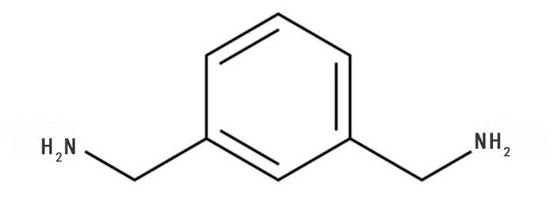
m-Xylylenediamine (MXDA) is a class of aliphatic amine compound containing an aromatic ring. It is produced from m-xylene through ammoniation oxidation and hydrogenation.

876c64c6926a6f6eee996920719eee6c

As a fundamental amine product, MXDA is widely used in epoxy resin curing agents. Its characteristics as an epoxy curing agent are as follows: the aliphatic primary amine group in its molecular structure allows it to be used as a room-temperature curing agent. Meanwhile, the benzene ring in the structure gives the cured product better heat resistance than aliphatic polyamines, along with excellent chemical resistance, while its irritation and toxicity are lower than those of ethylene amines.


Typical Physical and Chemical Data of MXDA (For Reference Only):

Property Item Specification / Value
Model MXDA
Product Name m-Xylylenediamine
Appearance Colorless transparent liquid
Color (Gardner) 1.0 Max.
Density 1.048 ~ 1.056
Viscosity (cps/20℃) 6.8
Freezing Point (℃) 14.1
Active Hydrogen Equivalent 34
The dosage of MXDA for Bisphenol A epoxy resin YLE-128 (epoxy equivalent 185) is approximately 16%-18%. The pot life is about 50 minutes at room temperature for 100g of epoxy resin YLE-128, and complete curing at room temperature takes about 7 days.

Performance Characteristics of MXDA as an Epoxy Curing Agent:

  • Colorless and transparent appearance, imposing no color burden on the cured product;
  • Low viscosity, making it convenient to handle;
  • Low active hydrogen equivalent, requiring a small addition amount;
  • Excellent chemical resistance, showing great resistance to toluene and 10%wt sulfuric acid;
  • Good thermal stability;
  • Good water resistance;
  • Good salt spray resistance.

Application Examples of yolatech MXDA:

Battery Sealing and Terminal Adhesives

MXDA can be used in battery sealing compounds and terminal adhesives (also known as red and black glue or marking glue), which are used for sealing and marking the positive and negative terminals of batteries. Since the adhesive layer is in direct contact with acid gas and liquid while often being subjected to external impact, the adhesive is required to have low viscosity, high fluidity, and excellent penetration. After curing, it must possess superior bonding strength, good sealing, excellent acid and alkali resistance, high hardness, and Excellent resistance to humid heat aging.. As a low-viscosity liquid that cures at room temperature, MXDA yields cured products with excellent heat and chemical resistance, perfectly meeting the performance requirements for battery sealing and terminal adhesives.

Anti-corrosion Coatings

With its excellent resistance to acid, toluene, and salt spray, MXDA can be combined with epoxy resin for anti-corrosion coatings in bridge repair, pipeline coatings, ships, containers, and flooring. It performs particularly well in bonding adhesion in humid environments.

Waterborne Epoxy Curing Agents

Modified into waterborne epoxy curing agents, MXDA can shorten the surface drying time of epoxy films and provide better gloss and hardness without affecting the impact resistance and flexibility of the coating. It is especially suitable for the preparation of waterborne anti-corrosion coatings.

Construction Repairs

MXDA can be modified to prepare epoxy curing agents widely used for repairs in humid environments such as bridge construction.

Other Applications

MXDA is also used in polyamide wax powder, nylon, pesticides, rubber, isocyanates, carbon fiber composites, and other fields.

Packaging and Logistics Tips for Large-Scale Epoxy Resin Shipments

When it comes to large-scale exports of epoxy resins—whether in liquid, solid, or semi-solid form—ensuring safe transport, regulatory compliance, and on-time delivery is essential. At Yolatech, we’ve compiled the following practical tips to help professionals in trade, manufacturing, and logistics plan more efficiently and execute with confidence.


1. Choose the Right Packaging Format

Proper packaging is the first line of defense against leakage, contamination, and damage during transport.

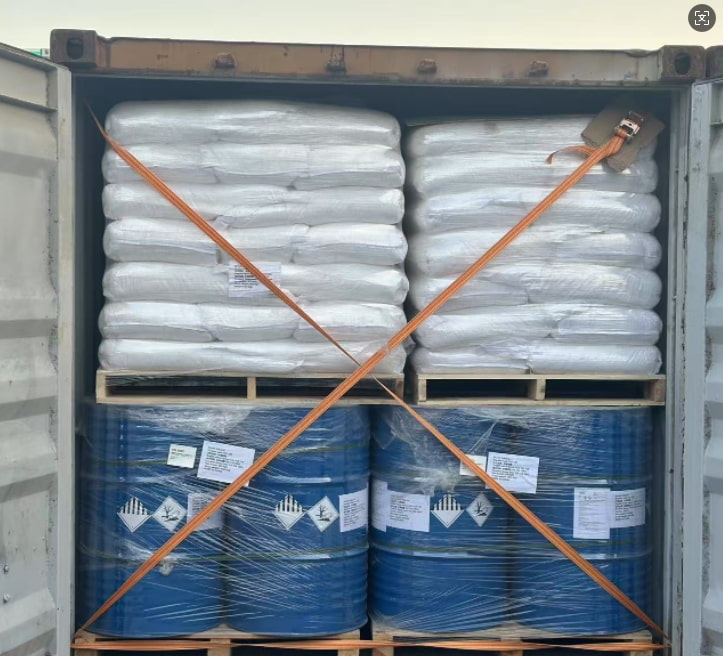
  • Liquid resins: We recommend 200L/240KG steel drums, 1000L IBC tanks, or ISO tank containers for bulk shipping. Packaging must be leak-proof and corrosion-resistant.

  • Solid resins: Typically packed in multi-layer kraft paper bags with plastic liners or fiber drums to prevent moisture ingress.

  • Semi-solid resins: Should be stored in tightly sealed metal or thick plastic drums to avoid deformation or softening, especially in hot climates.

Tip: Labels should clearly display product name, batch number, net/gross weight, and hazard symbols if applicable.


2. Follow Dangerous Goods Transport Regulations

Some epoxy resins are classified as hazardous materials. It is important to:

  • Check the MSDS (Material Safety Data Sheet) for transport classification;

  • Ensure compliance with IMDG (marine), IATA (air), or ADR (road) regulations depending on the shipping mode;

  • Apply proper hazard labels on all packaging (e.g., corrosive, environmentally hazardous).

Following regulations is not only a legal requirement but also critical for safety and customs clearance.


3. Palletizing and Load Securing

To improve handling and protect goods during shipment:

  • Use fumigated wood pallets (with IPPC marking) or plastic pallets, depending on import country requirements;

  • Secure all drums or bags on pallets using stretch film and strapping bands;

  • Add anti-slip sheets, corner guards, or partition pads to reduce movement and minimize risk of damage.


4. Plan Routes and Schedules Carefully

Some specialty epoxy resins are sensitive to heat and should not be exposed to high temperatures for extended periods. In summer, refrigerated containers are recommended to maintain product stability.

Be sure to check the customs regulations, public holidays, and vessel schedules at both origin and destination. Build in sufficient lead time to avoid unexpected delays.


5. Work with Experienced Logistics Partners

Partner with freight forwarders who have specific experience handling chemical and hazardous goods shipments.

For first-time shipments or newly adopted packaging methods, we recommend thorough pre-shipment coordination between seller and buyer to confirm all details, including labeling, pallet configuration, and document accuracy.

Maintain real-time communication with both the logistics provider and your customer throughout the shipping process.


6. Prepare All Required Documentation in Advance

Common export documents include:

  • Commercial invoice & packing list

  • COA (Certificate of Analysis) or test report

  • Bill of Lading (B/L) or Air Waybill (AWB)

  • Export license, MSDS, or Certificate of Origin (as required by the destination country)

Ensure all document content is consistent with product labels to avoid clearance delays or inspection issues.


Proper packaging, complete documentation, and efficient logistics planning are the cornerstones of successful epoxy resin exports. As a professional manufacturer, Yolatech understands that every shipment is not just a delivery—it’s a commitment to quality and reliability.


If you need support in selecting epoxy resin products, designing packaging solutions, or arranging international shipments, feel free to reach out to the Yolatech team. With stable products and responsive service, we’re here to support your global operations with confidence.

Properties and Main Applications of N,N-Dimethylaniline

Physicochemical Properties

N,N-Dimethylaniline (abbreviated as DMA), also known as dimethylphenylamine, has the molecular formula C₆H₅N(CH₃)₂ and a molecular weight of 121. It is a pale yellow oily liquid with a melting point of 2.45 °C, a boiling point of 194 °C, a flash point of 62.8 °C, and a relative density of 0.9557 (20/4 °C). It is sparingly soluble in water but soluble in methanol, ethanol, propanol, chloroform, diethyl ether, and aromatic organic solvents.


Chemical Properties

N,N-Dimethylaniline exhibits weak basicity and reacts with picric acid to form a picrate salt with a melting point of 163–164 °C. It reacts with alkyl halides to yield quaternary ammonium salts. Upon reduction, it can yield dihydro-N,N-dimethylaniline or tetrahydro-N,N-dimethylaniline, depending on the reaction conditions. Hydrogenation using palladium as a catalyst yields cyclohexanone and dimethylamine. N,N-Dimethylaniline is readily oxidized; oxidation with potassium permanganate or with concentrated sulfuric acid at 190–200 °C yields tetramethylbenzidine. Oxidation with manganese dioxide in chloroform yields N-formylmethylaniline. Oxidation with neutral hydrogen peroxide or peracids yields dimethylaniline oxide [C₆H₅N(CH₃)₂O]. When reacted with acylating agents, the methyl groups are substituted by acyl groups. Reaction with tetranitromethane in pyridine results in nitrosation of the methyl group rather than substitution on the benzene ring. Halogenation, nitration, and sulfonation reactions occur at the ortho and para positions, while nitrosation, coupling, and Friedel–Crafts reactions take place at the para position.


Toxicology

N,N-Dimethylaniline is highly toxic, with toxicity similar to that of aniline. It can cause poisoning via inhalation of its vapor or absorption through the skin. It exhibits hematotoxicity, neurotoxicity, and carcinogenic potential. The maximum allowable concentration in air is 5 ppm. Contact with skin should be avoided. Adequate ventilation and closed equipment are required at the worksite, and operators must wear appropriate protective equipment.


Its toxicity resembles that of aniline, suppressing the central nervous and circulatory systems, and causing headaches, weakness, local or systemic hypoxia, cyanosis of the skin and mucous membranes, dizziness, and respiratory distress. It can be absorbed through the skin, causing poisoning. Upon skin contact, immediately wash thoroughly with concentrated soapy water. The odor threshold concentration is 0.024 mg/m³. According to Chinese standard TJ 36-79, the maximum allowable concentration in workshop air is 5 mg/m³.

Stability :Stable

Incompatible Materials:Acids, acid anhydrides, acyl chlorides, chloroform, halogens

Conditions to Avoid Heat

Hazardous Polymerization :Will not occur


The physicochemical properties of High-purity N,N-dimethylaniline are relatively stable, making it a fundamental organic raw material for the synthesis of fine chemical intermediates used in pharmaceuticals, pesticides, dyes, pigments, and other products.


Main Applications

As a fundamental organic raw material for the synthesis of fine chemical intermediates, N,N-dimethylaniline has a wide range of applications. It serves as a major dye intermediate for manufacturing triphenylmethane (basic) dyes, including Basic Yellow, Basic Violet 5BN, Basic Green, Victoria Blue BB, Basic Brilliant Blue R, Cationic Red BL, Brilliant Red 5GN, Violet 3BL, and Brilliant Blue. In the pharmaceutical industry, it is used in the production of cephalosporin V, sulfamonomethoxine, and sulfadoxine. In the fragrance industry, it is used to produce vanillin and other aromatic aldehydes. Additionally, it is used as a solvent, a rubber vulcanization accelerator, and a stabilizer for explosives.


(1) N,N-Dimethylaniline is one of the basic raw materials for producing basic dyes (triphenylmethane dyes, etc.) and other basic dyes. Major products include Basic Yellow, Basic Violet 5BN, Basic Green, Victoria Blue, Brilliant Red 5GN, and Brilliant Blue. In the pharmaceutical industry, it is used to manufacture cephalosporin V, sulfamonomethoxine, sulfadoxine, and flucytosine. In the fragrance industry, it is used to produce vanillin.

(2) It is employed as a solvent, a metal corrosion inhibitor, an epoxy resin curing agent, a curing accelerator for polyester resins, and a co-catalyst for the polymerization of vinyl compounds. It is also used in the preparation of basic triphenylmethane dyes, azo dyes, and vanillin.

(3) In combination with organotin compounds, it is used as a catalyst for the production of polyurethane foam. It also serves as a rubber vulcanization accelerator and a raw material for explosives and pharmaceuticals. It is one of the basic raw materials for producing basic dyes (triphenylmethane dyes, etc.) and other basic dyes, including Basic Yellow, Basic Violet 5BN, Basic Green, Victoria Blue, Brilliant Red 5GN, and Brilliant Blue. N,N-Dimethylaniline is also a raw material for the manufacture of dozens of pharmaceuticals and pharmaceutical intermediates, including cephalosporin V, sulfadimethoxine, sulfamethoxazole, sulfamonomethoxine, sulfadoxine, and flucytosine.

(4) It is used as a curing accelerator for epoxy resins, polyester resins, and anaerobic adhesives, enabling rapid curing of anaerobic adhesives. It can also be used as a solvent, a co-catalyst for polymerization of vinyl compounds, a metal corrosion inhibitor, a UV absorber for cosmetics, and a photosensitizer. Additionally, it is used as a raw material for manufacturing basic dyes, disperse dyes, acid dyes, oil-soluble dyes, and fragrances (e.g., vanillin).

(5) It is used as a reagent for the spectrophotometric determination of nitrite. It is also employed as a solvent and in organic synthesis.

(6) It is utilized as a dye intermediate, solvent, stabilizer, and analytical reagent.

Synthesis, Applications, and Derivatives of m-Xylylenediamine

Yolatech's m-Xylylenediamine (MXDA, CAS No.: 1477-55-0), also known as 1,3-benzenedimethanamine, is an epoxy resin curing agent belonging to the class of aliphatic amines containing a benzene ring. It has the molecular formula C8H12N2 and appears as a colorless liquid at room temperature.


As an epoxy resin curing agent, it combines the characteristics of both aliphatic and aromatic amines. It features low viscosity and can cure at room temperature. The benzene ring in its molecular structure endows the cured product with superior heat resistance, water resistance, acid and alkali resistance, and chemical resistance compared to ethylene amines. Consequently, it is widely used in casting, bonding, and anti-corrosion coatings. It also serves as a raw material for producing photosensitive plastics, rubber auxiliaries, polyurethane resins, and coatings, as well as an intermediate in organic synthesis.


1. m-Xylylenediamine and its Derivatives

 (1)MXDA → Hydrogenation → 1,3-BAC

  • Features:
    • Low viscosity
    • Low freezing point
    • Good gloss

(2)MXDA + ECH → G-328

  • Features:
    • Good chemical resistance
    • Good adhesion
    • Good low-temperature properties
    • Low CO₂ absorption

(3)MXDA → Deamination → PMDA

  • Features:
    • Good electrical properties
    • Low toxicity
    • High and low temperature resistance

(4)Modified G-328

  • Produced by reacting with condensed glycerol ester mixtures
  • Features:
    • Good metal adhesion

(5)MXDA + Styrene → Gaskamine 240

  • Features:
    • Long operating time (long pot life)
    • Stable color
    • Low CO₂ absorption


2. Synthesis of m-Xylylenediamine (Yolatech MXDA)

(1) Preparation of Isophthalonitrile

Isophthalonitrile is prepared by the ammoxidation of m-xylene with ammonia and air in a fluidized bed catalytic reactor. The catalyst used is V2O5-Cr2O3-SiO2, and the reactor bed temperature is maintained at 400–415℃. The generated isophthalonitrile is collected via thin-walled condensation, then washed with water, dehydrated by centrifugation, and dried to obtain the final product. The consumption per ton of isophthalonitrile is 1200 kg of m-xylene (90%), 1200 kg of liquid ammonia (99%), and 3 kg of catalyst.


(2) Preparation of m-Xylylenediamine

Isophthalonitrile, alcohol, and potassium hydroxide are mixed and dissolved, then added to a high-pressure autoclave, followed by the addition of a Raney nickel catalyst paste. The relevant valves are closed, and the air inside the autoclave is evacuated. The vessel is purged with nitrogen several times until all air is removed. After evacuating the nitrogen, hydrogen is pressurized into the autoclave. Under stirring, the temperature is raised to about 90℃, and the hydrogen pressure is regulated and maintained at 4.5 MPa. Under these reaction conditions, hydrogen is continuously supplied until absorption ceases. The mixture is then cooled, excess pressure is released, and the material is discharged and filtered to recover the catalyst. The filtrate is sent to a fractional distillation unit. The alcohol is first distilled off at atmospheric pressure, followed by vacuum distillation. The fraction collected at 143–147℃ under 1.867 kPa is the finished product.


3. Application Fields of Yolatech MXDA

(1) Epoxy Resin Curing Agent: Accounts for 75% of total consumption, used in anti-corrosion coatings, adhesives, and other fields due to its excellent room-temperature curing performance and low toxicity.

(2) Nylon MXD6: Used as a polymerization monomer to prepare high-performance engineering plastics. It is applied in automotive lightweighting (e.g., Tesla engine components), robot joints, food packaging, and other fields. The global MXD6 market size is expected to exceed $1 billion by 2025.

(3) Pharmaceutical Intermediate: Used in the synthesis of anti-tumor drugs and antibacterial agents, accounting for about 10% of the market.


The 50 types of Amine-Based Fine Chemicals


Aliphatic Polyamines

  • Diethylenetriamine (DETA) – Aliphatic polyamine; ambient-temperature epoxy curing agent used in flooring, anticorrosion, and adhesion applications. Features high reactivity and low viscosity.
  • Triethylenetetramine (TETA) – Polyethylene polyamine; epoxy curing agent with excellent chemical resistance, widely used in heavy-duty anticorrosion and composite materials.
  • Tetraethylenepentamine (TEPA) – Highly reactive polyamine; used in epoxy curing, ion-exchange resins, and as a raw material for oilfield auxiliaries.
  • Pentaethylenehexamine (PEHA) – High-amino polyamine; applied in epoxy curing, chelating agents, and water treatment chemicals.
  • 1,6-Hexamethylenediamine (HMDA) – Aliphatic diamine; used in nylon 66, polyurethanes, and epoxy curing agents to enhance heat resistance and hardness.
  • 1,2-Cyclohexanediamine (CHDA) – Cycloaliphatic diamine; high-temperature epoxy curing agent offering yellowing resistance, high gloss, and high mechanical strength.
  • Isophoronediamine (IPDA) – Cycloaliphatic diamine; weather-resistant epoxy curing agent with low yellowing tendency, used in topcoats and anticorrosion coatings.
  • Bis(4-aminocyclohexyl)methane (PACM/DACM) – Cycloaliphatic diamine; offers high heat resistance and low moisture absorption; used in epoxy, polyamide, and PU curing.
  • 2-Methylpentamethylenediamine (MPMD) – Modified aliphatic diamine; low viscosity and low volatility; used in epoxy flooring and fast-cure systems.
  • 3,3'-Dimethyl-4,4'-diaminodicyclohexylmethane (MACM) – Cycloaliphatic modified diamine; low viscosity and high toughness; applied in epoxy composites and LED encapsulation.


Aromatic Amines

  • m-Phenylenediamine (m-PDA) – Aromatic diamine; used in high-temperature epoxy curing, polyimides, and aramid fiber production; offers high heat resistance.
  • p-Phenylenediamine (p-PDA) – Aromatic diamine; used in high-temperature-resistant resins, epoxy curing, and dye intermediates.
  • 4,4'-Diaminodiphenylmethane (DDM) – Aromatic diamine; high-temperature epoxy curing agent providing high Tg, high heat resistance, and high strength.
  • 4,4'-Diaminodiphenylsulfone (DDS) – Highly heat-resistant aromatic amine; used in aerospace epoxy, electronic potting, and heat-resistant structural adhesives.
  • m-Xylylenediamine (MXDA) – Aromatic-aliphatic mixed diamine; low toxicity and high adhesion; used in epoxy, nylon, and coatings.
  • Diethyltoluenediamine (DETDA) – Aromatic diamine; PU chain extender and epoxy curing agent with fast reaction and high elasticity.
  • 3,5-Dimethylthio-2,4-toluenediamine (DMTDA) – Low-temperature-active aromatic diamine; used in PU elastomers, adhesives, and CASE applications.
  • 4,4'-Methylenebis(3-chloro-2,6-diethylaniline) (MCDEA) – Sterically hindered aromatic diamine; slow-reacting PU chain extender offering high resilience and abrasion resistance.


Modified Amines / Polyamidoamines

  • Polyamide 650 – Condensate of dimer acid and polyamine; low toxicity and good toughness; general-purpose epoxy curing agent.
  • Polyamide 651 – High-viscosity polyamide; enhances adhesion and flexibility; used in anticorrosion coatings and marine paints.
  • Low-Molecular-Weight Polyamide Curing Agent (300#) – Fast-drying and low-volatility; used in flooring, self-leveling compounds, and adhesives.
  • Modified Cycloaliphatic Amine Curing Agent (EH-260) – Modified IPDA type; low viscosity, weather resistance, and high gloss; used in topcoat systems.
  • Phenalkamine (T-31) – Phenol-formaldehyde-polyamine condensate; cures at low temperature and under damp conditions; used in underground engineering and anticorrosion.
  • Modified Phenalkamine (T-33) – High-solid, low-odor; suitable for winter construction and damp-surface curing.
  • Mannich Base Modified Polyamine (EH-36) – High activity and water resistance; used in underwater curing and heavy-duty steel anticorrosion.
  • Polyetheramine D230 – Polyether diamine; low viscosity and high toughness; used in epoxy flooring and lightweight composites.
  • Polyetheramine D400 – Good flexibility and low moisture absorption; used in adhesives, composites, and decorative coatings.
  • Polyetheramine D2000 – Long-chain flexible diamine; enhances impact resistance and toughness; used in PU and epoxy toughening.
  • Polyetheramine T403 – Trifunctional polyether amine; high crosslinking density; used in structural adhesives and wear-resistant flooring.
  • Polyetheramine T5000 – Ultra-flexible triamine; used in high-elasticity systems, adhesives, and elastic coatings.


Tertiary Amines / Accelerators / Functional Amines

  • Triethanolamine (TEA) – Tertiary amine; used as neutralizer, emulsifier, cement grinding aid, and PU catalyst.
  • Diethanolamine (DEA) – Alkanolamine; used in desulfurization, emulsification, PU chain extension, and as a pH regulator in coatings.
  • Monoethanolamine (MEA) – Basic absorbent, neutralizer; used in metalworking fluids and as a surfactant raw material.
  • N,N-Dimethylethanolamine (DMEA) – Tertiary amine catalyst; used in PU foaming, epoxy acceleration, and aqueous neutralization.
  • N,N-Dimethylbenzylamine (BDMA) – Tertiary amine accelerator; used in fast epoxy curing, casting, and electronic potting.
  • 2,4,6-Tris(dimethylaminomethyl)phenol (DMP-30) – Tertiary amine accelerator; significantly increases epoxy curing speed; suitable for low-temperature applications.
  • Triethylenediamine (DABCO) – Tertiary amine; PU foaming catalyst and gel catalyst; used in sponge and rigid foams.
  • N-Methylmorpholine (NMM) – Cyclic tertiary amine; used as PU catalyst, solvent, and organic synthesis base.
  • N-Ethylmorpholine (NEM) – Basic catalyst; used in polyurethane foaming and coating auxiliaries.
  • 1,8-Diazabicyclo[5.4.0]undec-7-ene (DBU) – Superbase catalyst; used in epoxy, polyurethane, and resin synthesis catalysis.


Specialty Amines / Functional Monomers

  • N-Aminoethylpiperazine (AEP) – Polyamine; used as epoxy curing agent, intermediate, lubricant, and chelating agent.
  • Piperazine (PIP) – Cyclic diamine; used in pharmaceutical intermediates, polyurethanes, epoxy curing, and desulfurization agents.
  • N,N'-Di-sec-butyl-p-phenylenediamine (DBPD) – Antioxidant/antiozonant amine; used in rubber, plastics, and oil products for antioxidation and anti-aging.
  • Octyl/Dibutyl Diphenylamine Compound (ODPA/BDPA) – High-temperature antioxidant amine; used in lubricating oils, transformer oils, and industrial oils.
  • 3-Methoxypropylamine (MOPA) – Alkoxy monoamine; low viscosity and low volatility; used in waterborne resins and epoxy auxiliaries.
  • N-(3-Aminopropyl)imidazole (API) – Imidazole-modified amine; used in medium-temperature epoxy curing, adhesives, and copper-clad laminates.
  • 2-Methylimidazole-Modified Amine (2MZ Curing Agent) – Imidazole adduct; used in epoxy powder coatings, electronic encapsulation, and latent curing.
  • Quaternary Ammonium-Type Cationic Amines (1831, 1227 series) – Cationic surfactants; used as bactericides, softeners, antistatic agents, and emulsifiers.
  • Fatty Amine Polyoxyethylene Ethers (C12-amine EO5, C18-amine EO10) – Nonionic surfactants; used in emulsification, dispersion, wetting, and pesticide adjuvants.
  • Trioctylmethylammonium Chloride (TOMAC) – Quaternary ammonium phase-transfer catalyst; used in organic synthesis, extraction, and phase-transfer catalysis.

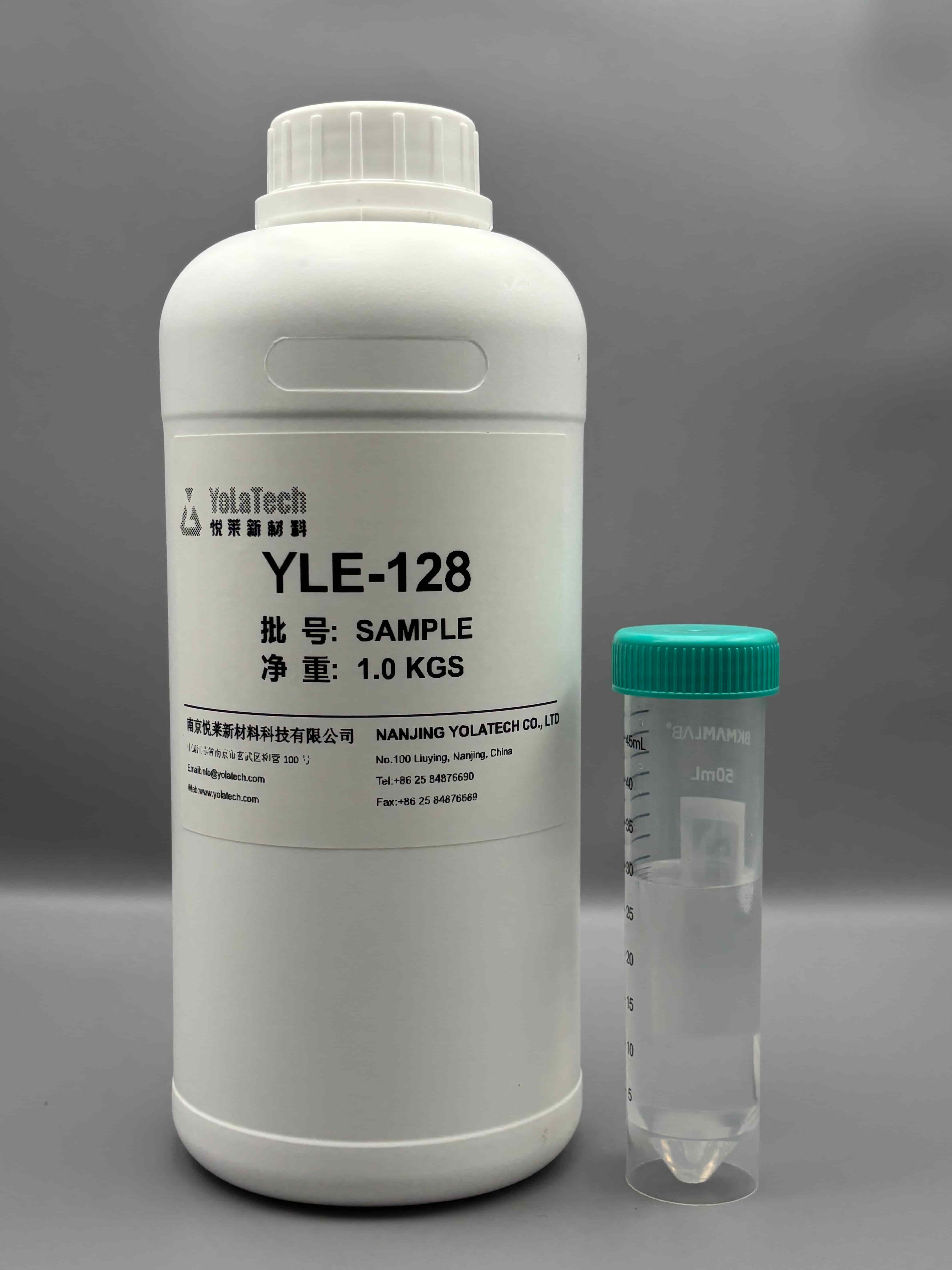
What Is YLE-128 Epoxy Resin? Properties, Applications & Why It's a Reliable Bisphenol-A Option


In the world of industrial coatings, adhesives, composites, and electrical insulation, epoxy resins are essential for their outstanding performance and versatility. Among them, YLE-128 epoxy resin stands out as a high-quality Bisphenol-A based liquid epoxy resin that is trusted by manufacturers and formulators worldwide. In this article, we’ll explore what YLE-128 is, its key properties, typical applications, and why it is considered a reliable and consistent alternative to mainstream options like Epon 828, YD-128, and D.E.R. 331.


What Is YLE-128?

YLE-128 is a liquid Bisphenol-A type epoxy resin with a medium molecular weight and an epoxy equivalent weight (EEW) typically ranging between 184–194 g/eq. It is produced through the reaction of Bisphenol-A with epichlorohydrin, resulting in a highly reactive resin with excellent chemical resistance, mechanical strength, and adhesion characteristics.

This resin is often referred to as a standard liquid epoxy resin (LER) and serves as a base component for many two-component systems, especially when combined with various hardeners (amines, anhydrides, etc.).


Key Properties of YLE-128

Property

Typical Value

Appearance

Clear, colorless to pale yellow liquid

Viscosity @ 25°C

11,000–15,000 mPa·s

Epoxy Equivalent Weight

184–194 g/eq

Color (Gardner)

≤ 1

Density @ 25°C

~1.16 g/cm³

Flash Point (Closed cup)

> 150°C


These properties make YLE-128 suitable for both ambient and heat-cure formulations across multiple industries.


Applications of YLE-128 Epoxy Resin

Thanks to its versatility, YLE-128 is used in a wide range of industrial and commercial applications:

1. Protective Coatings

  • Used in anti-corrosion coatings for pipelines, storage tanks, marine equipment, and concrete floors.
  • Offers excellent chemical resistance and strong adhesion to substrates.

2. Adhesives

  • Applied in structural adhesives for metal, plastic, wood, and composite bonding.
  • Compatible with a variety of curing agents to tailor performance.

3. Composites

  • Widely used in wind turbine blades, automotive components, and sporting goods.
  • Reinforced with glass or carbon fibers for lightweight strength.

4. Electrical Insulation

  • Suitable for potting and encapsulating transformers, insulators, and circuit boards.
  • High dielectric strength and excellent dimensional stability.

5. Construction

  • Utilized in flooring systems, epoxy mortars, and anchoring applications.
  • Good resistance to moisture, solvents, and mechanical wear.


Why Choose YLE-128?

A Reliable Alternative to Global Brands

  • Consistent Quality: Manufactured under strict quality control, YLE-128 offers batch-to-batch consistency.
  • Competitive Pricing: More cost-effective than Western brands without compromising performance.
  • Flexible Supply: Readily available and supported by responsive technical service.
  • Global Compatibility: Interchangeable with industry-standard grades such as:
    • Epon 828 (Hexion)
    • D.E.R. 331 (Dow)
    • YD-128 (Kukdo)


Final Thoughts

YLE-128 epoxy resin has proven itself as a reliable, high-performance material across multiple industries. Whether you are formulating coatings, adhesives, or insulation systems, YLE-128 offers the performance of top international brands with the added benefits of affordability and dependable supply.

For formulators seeking a Bisphenol-A based liquid epoxy resin that meets demanding standards, YLE-128 is a name worth remembering.

YLEP-638 High-Performance Phenolic Epoxy Resin Structure, Properties, and Applications

YLEP-638 Structural Characteristics

The molecular backbone of YLEP-638 is a phenolic novolac structure formed by the condensation of phenol and formaldehyde, providing a rigid aromatic framework. This backbone itself has very high thermal stability and rigidity.
On this phenolic framework, the hydroxyl groups react with epichlorohydrin to introduce multiple epoxy groups, making it a typical multifunctional epoxy resin. Unlike standard bisphenol-A type epoxy resins (such as E-51, functionality ≈ 2), YLEP-638 usually has an average epoxy functionality of 3.5 to 4.0 or even higher.


Performance Features of YLEP-638

Outstanding Heat Resistance

  • Origin: High crosslink density (resulting from high functionality) and rigid aromatic backbone.

  • Performance: The cured product exhibits extremely high glass transition temperature (Tg) and heat distortion temperature (HDT), typically above 200°C and even up to 250°C. It maintains mechanical strength and dimensional stability under high temperatures with excellent creep resistance.

Exceptional Mechanical Strength and Modulus

  • Origin: Dense three-dimensional crosslinked network and rigid molecular chains.

  • Performance: The cured product shows very high hardness, compressive strength, tensile strength, and modulus, giving it strong load-bearing capacity.

Excellent Chemical Resistance

  • Origin: The high crosslink density creates a compact and chemically inert network structure, making it difficult for solvents or chemical agents to penetrate or swell the material.

  • Performance: It offers outstanding resistance to a wide range of organic solvents, acids, and alkalis. Its chemical resistance, particularly at high temperatures, is far superior to that of conventional epoxy resins.

Superior Electrical Insulation Properties

  • Origin: Stable chemical structure and high crosslink density.

  • Performance: Maintains excellent dielectric strength and volume resistivity even under high temperature and humidity conditions.

Processing Challenges

  • High Viscosity: Due to its high functionality and rigid structure, YLEP-638 has very high viscosity at room temperature and must be heated (e.g., to 60–80°C) for casting, impregnation, or prepreg preparation.

  • High Brittleness: The high crosslink density and rigid structure also result in low toughness, poor impact resistance, and low elongation at break, so it often requires the addition of toughening agents.


Main Applications of YLEP-638

  • YLEP-638 + DOPO
    Used to produce halogen-free phosphorus-containing epoxy systems, successfully incorporating efficient phosphorus-based flame-retardant units into a high crosslink density epoxy network. The resulting materials combine excellent mechanical properties, heat resistance, and flame retardancy, making them ideal for green electronic encapsulation, halogen-free PCBs, high-performance flame-retardant insulating materials, and aerospace composites. Also used in carbon fiber prepregs, tennis rackets, and golf clubs.


  • YLEP-638 + Methacrylic Acid / Styrene
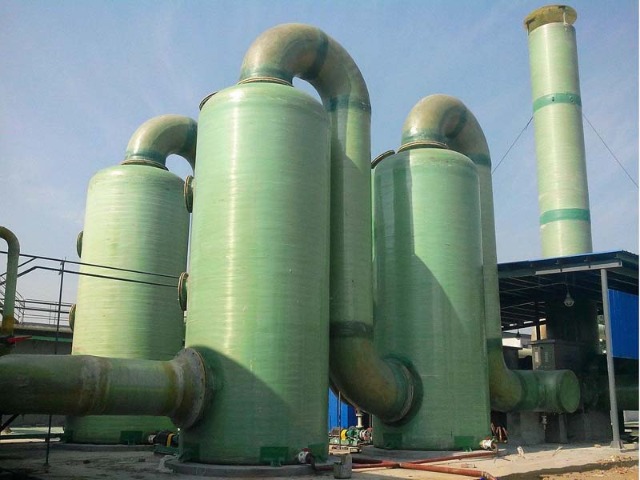
    Used to produce high-temperature- and corrosion-resistant phenolic epoxy vinyl ester resins, widely applied in flue gas desulfurization (FGD), power plant desulfurization tower linings, chemical storage tanks, and scrubbers for harsh environments.


  • YLE-128 + YLEP-638 + YLE-601 or YLE-604
    Used for solder mask inks in copper-clad laminates and for anti-corrosion, high-temperature coatings (such as 900–1200°C heat-resistant and anti-oxidation coatings).


  • YLEP-638 + Curing Agent DDS
    Used to produce epoxy insulating varnishes for VPI (Vacuum Pressure Impregnation) processes, forming a strong, integrated “armor” layer on electrical coils. This layer resists high-voltage breakdown and withstands the intense heat and mechanical stress generated during motor operation. It is an essential insulation material for modern high-end electrical equipment, used in high-voltage motors, wind power generators, and traction motor stator coils, providing both insulation and flame-retardant protection. Also used in the manufacture of insulating tubes, rods, and plates.

YOLATECH DMP-30

Yolatech Company DMP-30 Equivalent Grades: K54, KH-30, HI-54K, HY960.


Yolatech DMP-30 consists of 2,4,6-Tris(dimethylaminomethyl)phenol. It is a versatile curing accelerator designed to shorten the curing time of epoxy resin systems. It exhibits excellent compatibility with Polyamine and Polyamide series epoxy curing agents. It is soluble in alcohol, benzene, acetone, and cold water, and slightly soluble in hot water.


Physical Properties

  • Chemical Name: 2,4,6-Tris(dimethylaminomethyl)phenol
  • Synonyms: DMP-30 / K-54 / Accelerator Catalyst HI-54K
  • Molecular Formula: C₁₅H₂₇N₃O
  • Molecular Weight: 265.4
  • CAS Number: 90-72-2
  • EINECS Number: 202-013-9
  • Appearance: Transparent light yellow liquid
  • Color: Max 6 (Gardner)
  • Amine Value: 580-630 mgKOH/g
  • Viscosity (25°C): 100-300 cps (Brookfield)
  • Moisture Content: Max 0.5%
  • Refractive Index (20°C): 1.5150-1.5200
  • Specific Gravity (25°C): 0.97-0.99
  • Flash Point: 150°C


Applications

DMP-30 serves as a curing accelerator in solvent-based or solvent-free epoxy systems, including:

  • Polyamine series curing systems.
  • Polyamide and Amidoamine series epoxy curing systems.
  • Mercaptan (Thiol) series epoxy curing systems.
  • Carboxylic Acid Anhydride or Polysulfide series epoxy curing systems.

It is widely used in coatings, adhesives, and flooring industries. It acts as a catalyst for epoxy automotive body adhesives, epoxy-anhydride systems, and as a solid catalyst for isocyanates and polyols.


Mechanism of Action

The reaction between epoxy resin (containing epoxy groups) and amine curing agents (such as aliphatic amines and polyamides) is a nucleophilic ring-opening reaction: the amine group (-NH₂) attacks the ring of the epoxy group, opening the ring to form hydroxyl groups (-OH), which then undergo further crosslinking.However, this reaction is slow at room temperature (especially in low-temperature environments). DMP-30's phenolic hydroxyl group activates the epoxy group via hydrogen bonding, while the dimethylamino group (-N(CH₃)₂) acts as a nucleophile to promote the combination of the amine and epoxy groups. This significantly lowers the activation energy, shortening the curing time by 30%-50% (e.g., at 25°C, curing takes 24 hours without accelerator, but only 8-12 hours with DMP-30).


Recommended Dosage

1. As Epoxy Curing Agent: When used alone, the dosage for YLE-128 epoxy resin (Epoxy Equivalent Weight 185-195) is approximately 10%. It enables rapid curing at room temperature or low temperatures for coatings, castings, and sealants. For YLE-220 epoxy resin, the dosage is approximately 12.5%. For Epoxy-Liquid Polysulfide systems, the dosage is 10-15% for room temperature curing and 6% for heat curing. It imparts unique bonding, casting, and sealing properties. Typical range: 5-15 PHR.

2. As Epoxy Accelerator: When mixed with other epoxy curing agents, it acts as an accelerator to increase curing rates. Dosage is 0.1%-3% PHR of the main curing agent. Widely used in anti-corrosion coatings, cast floor concrete protection, and adhesives.

3. As Polyurethane Catalyst: It is a catalyst for isocyanate trimerization. It has higher catalytic selectivity for Polyisocyanurate (PIR) reactions compared to PUR, making it suitable for PIR formulations. DMP-30 is a milder activity catalyst; it requires a larger dosage in formulations, resulting in a gentle reaction, stable rise, good flowability, and end products with PIR high-temperature and flame-retardant effects.


Advantages

  • Highly efficient acceleration (strong low-temperature applicability).
  • Improves coating film hardness and chemical resistance.
  • Good compatibility with most epoxy resins and curing agents (no phase separation).


Limitations

  • May experience slight yellowing upon long-term UV exposure (due to phenolic hydroxyl oxidation), making it unsuitable for outdoor high-gloss flooring.
  • Irritating to skin; potential for trace formaldehyde release. Protective equipment must be worn during application.


Storage & Handling

Avoid excessive heat and humidity. Store in unopened original containers at room temperature, away from fire sources, strong acids, strong bases, and strong oxidizing agents. Shelf life is 12 months from the date of production.

Precautions: Please refer to the Yolatech Product DMP-30 Material Safety Data Sheet (MSDS).

Packaging: 200Kg drum, 1000 IBC.